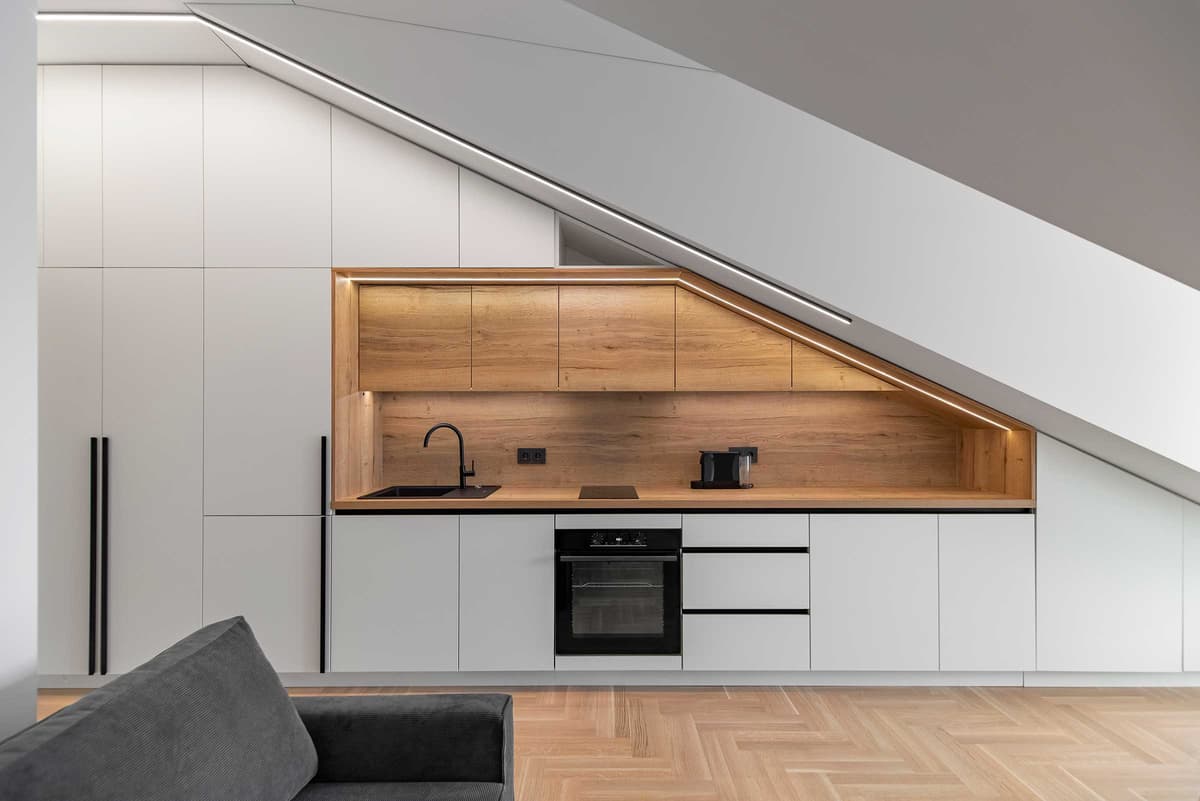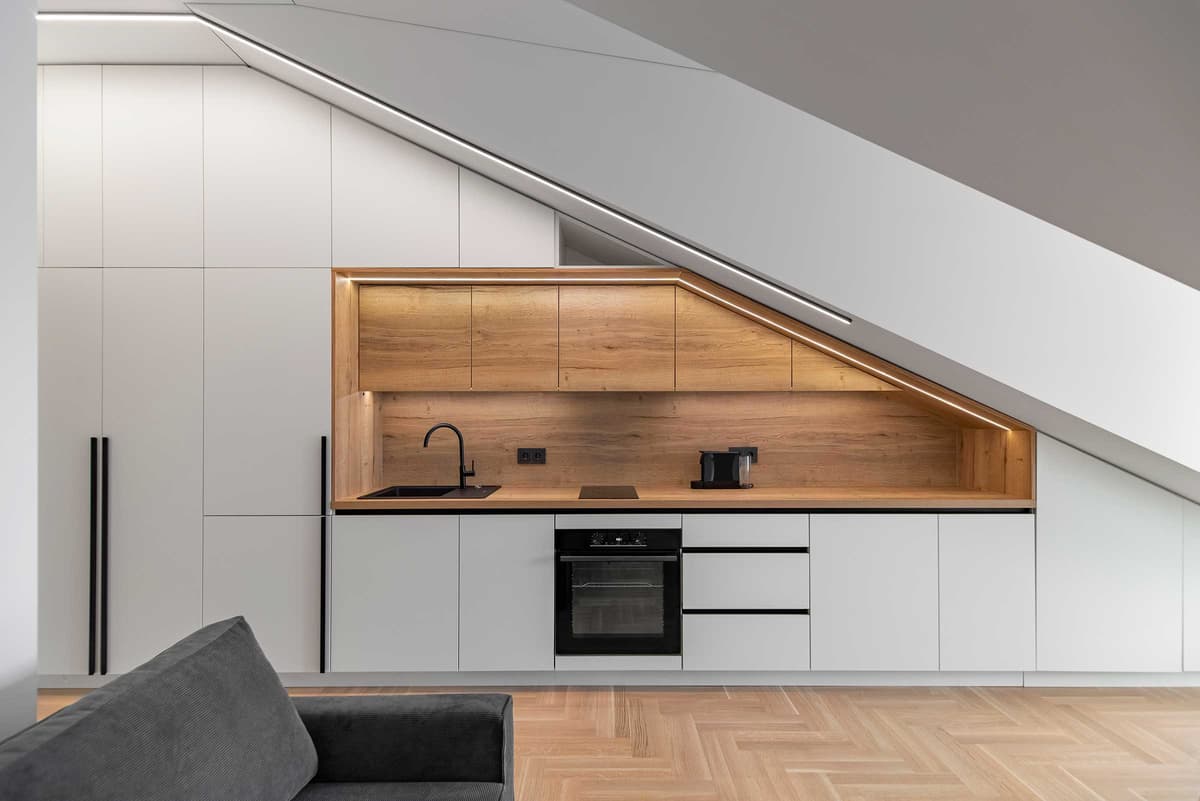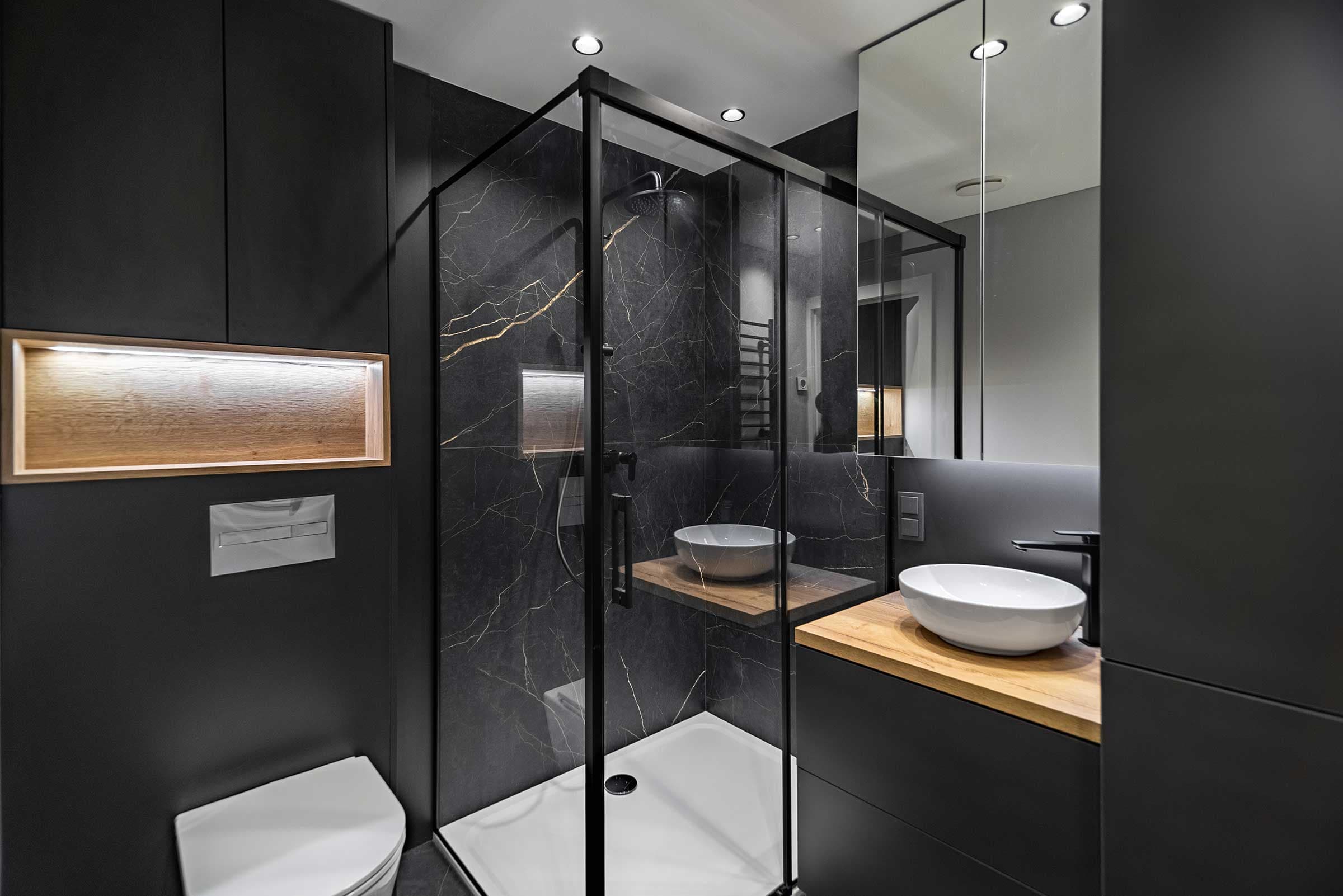
Custom furniture is a significant investment. As of 2026, European manufacturers have refined processes and technologies — 3D scanning, digital design validation, and supply chain optimization — that make ordering custom pieces more predictable than ever. But knowing what to expect, how to budget realistically, and which questions to ask your manufacturer is still essential.
This guide covers the key decisions you'll face when ordering custom furniture, whether you're an architect specifying for a project or a homeowner designing your first bespoke kitchen.
How Much Should Custom Furniture Cost?
Budget depends on complexity, materials, and scope. A simple fitted wardrobe typically costs EUR 3,000–8,000. A custom kitchen (cabinetry, worktop, appliances) usually falls in the EUR 5,000–25,000 range. A complete custom living room suite can reach EUR 15,000–40,000 or more. These are ballpark figures for European pricing; luxury materials and bespoke structural features push costs higher.
| Factor | Budget Impact | Notes |
|---|---|---|
| Materials (solid wood vs veneer vs laminate) | 30–50% of cost | Hardwoods more expensive than engineered materials |
| Customization complexity | 20–40% of cost | Non-standard shapes, internal organization, hardware upgrades |
| Hardware and fittings | 10–15% of cost | Soft-close hinges, premium drawer slides, integrated lighting |
| Delivery and installation | 5–10% of cost | Larger cities cheaper than rural areas; floor access matters |
| Design consultation | 5–10% | Often included in quotes; specialist designers cost extra |
The most important rule: get a detailed breakdown of costs upfront. Surprises at payment time are red flags.
What's a Realistic Lead Time for Custom Furniture?
Standard lead times in Europe as of 2026 typically range from 4–8 weeks from contract signature to delivery. Simple items (bookcases, wardrobes) may arrive in 4–5 weeks. Complex kitchens with custom elements can take 8–12 weeks. Projects requiring 3D scanning and highly bespoke design may extend to 10–14 weeks.
Lead time depends on:
- Design phase (2–4 weeks): revisions, approvals, CAD finalization
- Material sourcing (1–3 weeks): especially for specialty woods or colours
- Production (2–4 weeks): manufacturing, finishing, quality checks
- Logistics (1–2 weeks): assembly, delivery scheduling, installation
Always ask your manufacturer for a written timeline with clear milestones. Projects that "should be 6 weeks but might be 12" indicate poor planning or inventory management — neither is a good sign.
Which Materials Should You Choose?
| Material | Durability | Cost | Aesthetics | Sustainability | Best For |
|---|---|---|---|---|---|
| Solid hardwood (oak, walnut, ash) | Excellent (20+ years) | EUR 150–350/m² | Warm, natural | Good if FSC-certified | High-wear areas, visible surfaces |
| Wood veneer (quality veneered plywood) | Very good (15–20 years) | EUR 80–150/m² | Rich finish, stable | Good if sustainably sourced | Large panels, cost-conscious projects |
| Laminate (high-pressure laminate) | Good (10–15 years) | EUR 40–100/m² | Diverse colours, practical | Recyclable but not bio-based | Kitchens, commercial, budget-conscious |
| MDF with paint | Good (10–12 years) | EUR 30–80/m² | Custom colours, clean lines | Recyclable | Painted finishes, contemporary designs |
| Reclaimed or salvage wood | Variable (depends on source) | EUR 200–500+/m² | Unique character, storytelling | Excellent if genuinely recycled | Feature pieces, heritage projects |
Material longevity matters. Cheap materials save money upfront but cost more in replacements over a decade. For a kitchen or wardrobe you plan to keep 15+ years, hardwood or quality veneer outperforms budget laminates.
How Do You Vet a Custom Furniture Manufacturer?
Choosing the right manufacturer is more important than choosing the design. A great design built poorly is worse than a simple design built well.
Ask these specific questions:
-
Do they use 3D scanning or digital measurement validation? As of 2026, this is standard in Europe. If they measure with a tape and "trust" the numbers, fitting problems are more likely.
-
What is their quality control process? Do they inspect every piece before shipment? Can they show you photos of their workshop and QA areas? Vague answers are concerning.
-
What warranty do they offer? Standard is 2–5 years on materials and manufacturing. Anything less than 2 years is short. Longer warranties (5+ years) suggest confidence.
-
Can they provide references from projects similar to yours? Ask for 3–5 recent client contacts and actually call or email them. Ask about punctuality, quality, and how the manufacturer handled any issues.
-
How do they handle design revisions? Every project needs adjustments. Do they charge per revision? Are the first 2–3 revisions included? Do they set a cutoff date after which changes cost extra?
-
What is their delivery and installation process? Do they handle it themselves, or do they contract out? Who is responsible if something arrives damaged? What is their liability?
-
Are they certified or accredited? In Europe, certifications like FSC (for sustainably sourced wood), ISO 9001 (quality management), or local furniture industry standards provide assurance.
-
How transparent are their timelines and invoicing? You should receive a written timeline with milestones and a detailed invoice breaking down materials, labour, delivery, and installation.
What Does 3D Scanning Change for Buyers?
3D scanning (now standard at many European manufacturers) captures your room's exact geometry — walls, corners, obstacles, ceiling height variations — and eliminates the guesswork of manual measurement. This reduces fitting failures by up to 80% because the furniture is designed against your actual room, not an assumed "perfect" room.
As a buyer, 3D scanning means:
- Fewer installation surprises. Gaps, misalignment, and on-site trimming become rare.
- Confidence before production. You see a 3D visualization of your room with furniture placed inside, validated against real measurements.
- Faster installation. Installers assemble rather than adjust, cutting installation time by 25–40%.
- Fewer site visits. One thorough scan replaces multiple measurement trips.
If you're ordering a fitted kitchen, wardrobe, or built-in shelving, ask if your manufacturer uses 3D scanning. It's worth requesting even if it costs slightly more.
What Should Your Warranty Cover?
Standard warranties in 2026 cover:
- Manufacturing defects (misaligned panels, loose joints, failed hinges) — typically 2–5 years
- Material faults (wood splitting, veneer peeling, finish defects) — typically 2–5 years
- Hardware failures (soft-close hinges, drawer slides, locks) — often 5+ years because hardware is replaced separately
- Structural integrity (load-bearing capacity, frame stability) — typically 5 years
What warranties usually do NOT cover:
- Damage from misuse or neglect
- Damage from improper installation
- Colour fading from direct sunlight
- Stains, scratches, or dents from normal wear
- Water damage (unless caused by a manufacturing defect)
- Modifications made after delivery
Red flags:
- Warranties shorter than 2 years
- Vague language ("we cover defects") without specifics
- Manufacturers unwilling to put warranty in writing
- Exclusions that seem unusually broad
Red Flags: What to Avoid When Choosing a Manufacturer
Before signing a contract, watch for these warning signs:
| Red Flag | What It Means | Action |
|---|---|---|
| No sample photos or references | They can't demonstrate past work quality | Request samples or walk away |
| Reluctance to provide timelines in writing | Poor planning or unrealistic expectations | Get everything in writing before paying |
| Payment upfront with no milestones | You have no recourse if they delay or fail | Negotiate milestone payments (e.g., 30% design, 40% production, 30% delivery) |
| Vague pricing or hidden costs | You'll get surprises at invoice time | Insist on detailed, itemized quotes |
| No warranty or extremely short warranty | Low confidence in their own work | Avoid manufacturers offering less than 2 years |
| Pressure to decide quickly | Salesmanship over customer interest | Trust your instincts; good manufacturers don't rush you |
| No communication about lead times or delays | They won't prioritize keeping you informed | Establish a communication plan upfront (weekly email updates, etc.) |
| Materials or hardware sourcing changes without consultation | They're cutting corners to reduce costs | Require written approval before any material substitutions |
How Does the Design-to-Delivery Process Actually Work?
Most European manufacturers follow a similar workflow as of 2026:
-
Initial consultation (1 week): Discuss needs, budget, style, and materials. You may receive a preliminary quote.
-
Measurement and CAD design (2–4 weeks): Manufacturer measures your space (ideally with 3D scanning) and creates detailed CAD drawings. You review and approve, request revisions.
-
Final approval and material sourcing (1 week): Once CAD is locked, materials are ordered. You review and sign off on finish samples.
-
Production (2–4 weeks): Manufacturing, finishing, and quality control. You may receive progress photos.
-
Quality inspection (3–5 days): Every piece is checked before packaging.
-
Delivery and installation (1–2 weeks): Furniture is delivered, unpacked, assembled, and installed. Final walkthrough and sign-off.
-
Post-delivery support (ongoing): Warranty coverage, final adjustments, answer questions.
Expect communication at each step. If you go weeks without updates, ask your account manager for a status report.
Frequently Asked Questions
What is the typical price per square metre for custom cabinetry?
As of 2026, custom cabinetry in Europe ranges from EUR 40–150 per square metre depending on materials and complexity. Budget laminate starts around EUR 40–80/m², quality veneered cabinetry EUR 80–120/m², and solid hardwood EUR 120–200+/m². Always ask for a total project cost, not just per-metre rates, because finishes and hardware vary widely.
Can you make changes after you've signed the contract?
Most manufacturers allow revisions up to a certain point — typically the end of the design phase. After production begins, changes become expensive or impossible. Confirm your manufacturer's revision policy in writing. Budget for 2–3 revision rounds included in your quote.
What happens if the furniture arrives damaged?
Professional manufacturers inspect every piece before delivery. Damage during transport is rare if packing is done correctly. Your contract should specify who is liable — typically the manufacturer if damage occurs before you sign the delivery receipt, and the buyer afterward. Always photograph any damage and report it within 48 hours.
How do you choose between custom and semi-custom furniture?
Custom furniture is fully bespoke to your space and budget. Semi-custom (modular systems with limited customization) is faster and cheaper but less personalized. Flat-pack is fastest and cheapest but requires assembly and offers no customization. Choose custom if your space is unusual, you want durability, or the piece is a focal point. Choose semi-custom if you need speed and cost predictability. Choose flat-pack for temporary, simple solutions.
What if your lifestyle changes and you want to modify the furniture later?
Solid hardwood and quality veneered pieces can often be refurbished, recoloured, or modified. Laminate and MDF are harder to alter. If future flexibility matters, specify materials that can be refreshed or reconfigured later. Discuss this with your designer during the planning phase.